


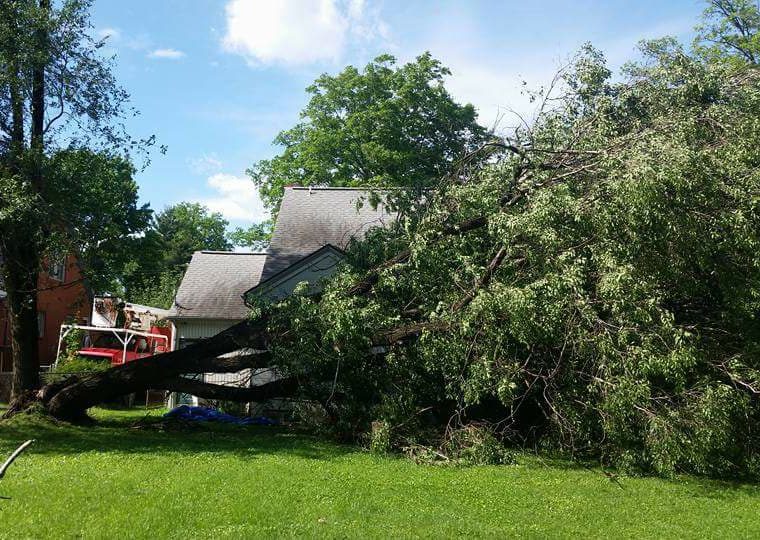
You walk outside after a winter storm and see it. A tree on your house. Maybe it’s resting on the roof. Maybe it came all the way through. Either way, your stomach drops. Winter storm tree damage hits differently when it’s your home underneath it.
This isn’t the time to guess. When a tree fell on house structures during snow or ice, the next steps matter. Acting too fast can make it worse. Waiting too long can do the same. At Whitledge Tree Service, we respond to these calls every winter across southern Indiana and the tri-state area. Here’s what to do next, and what not to do.
First Things First: Make Sure Everyone Is Safe
When a tree is on your home, safety comes before cleanup. The damage might look stable from the outside. That doesn’t mean it is. Winter storm tree damage often shifts as ice melts or wind picks up again. Before thinking about removal, focus on safety.
Check for Immediate Danger
Look for sagging ceilings. Listen for cracking sounds. If the tree fell on house electrical lines or pulled service lines loose, stay clear. Do not approach anything that could be energized. Call emergency services if there is any risk to life or fire.
Get Everyone Out If Needed
If the tree has caused structural damage, it may not be safe to stay inside. Roof loads change quickly when snow and ice are involved. If something feels unstable, trust that instinct. Leave and wait for professionals to assess the situation.
Don’t Try to Remove the Tree Yourself
It’s tempting. Especially if the tree looks small. But winter conditions change everything. Frozen wood holds tension differently. Ice shifts weight. What looks simple rarely is.
Trying to cut sections off a tree on your house after winter storm damage can cause sudden movement. That movement can collapse roofing or walls that were barely holding.
Weight and Pressure Are Hard to Judge
A limb resting on shingles might not look heavy. Add ice. Add internal tension. The pressure on that roof can be far greater than expected. Cutting the wrong section first can release that pressure in the wrong direction.
Insurance May Require Professional Work
Most insurance policies expect storm damage tree removal to be handled properly. DIY attempts can complicate claims. Documentation matters. The removal method matters. It’s better to let a licensed and insured team handle it from the start.
Whitledge Tree Service works directly with property insurance companies. That helps take some of the pressure off during an already stressful time.
Call an Emergency Tree Service Immediately
When a tree fell on house structures during a winter storm, this is not a wait-and-see situation. Even if the damage looks minor, hidden structural stress can cause delayed collapse.
Emergency tree removal teams are trained to remove weight safely and in controlled sections.
Rapid Assessment
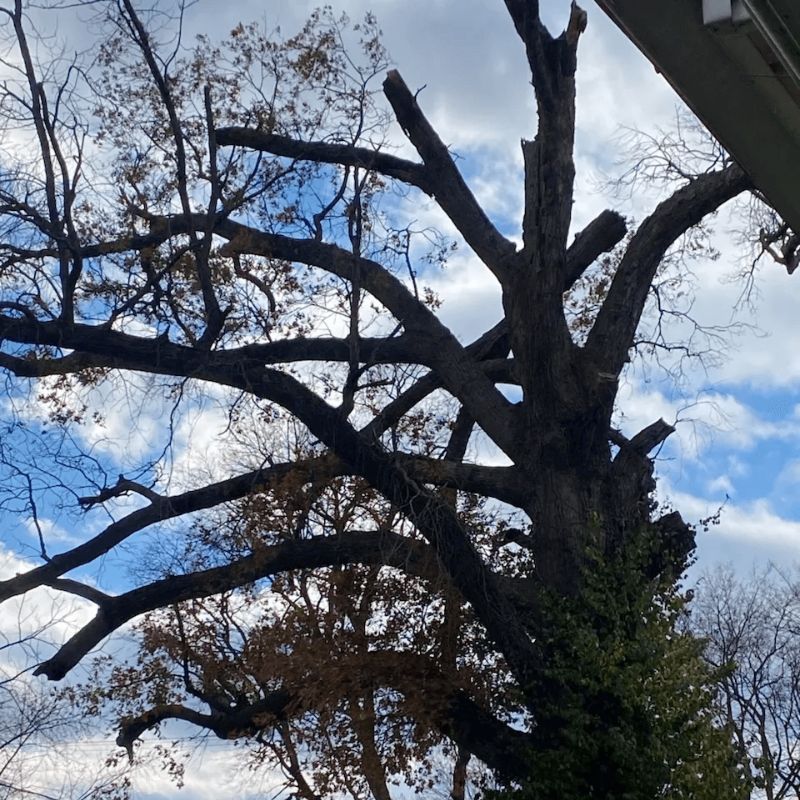
The first step is not cutting. It’s evaluating. Where is the weight sitting? What is supporting what? Has the trunk split? Are roots still attached and pulling
In winter, melting ice can shift loads mid-job. A trained crew plans for that before any cuts are made.
Controlled Removal
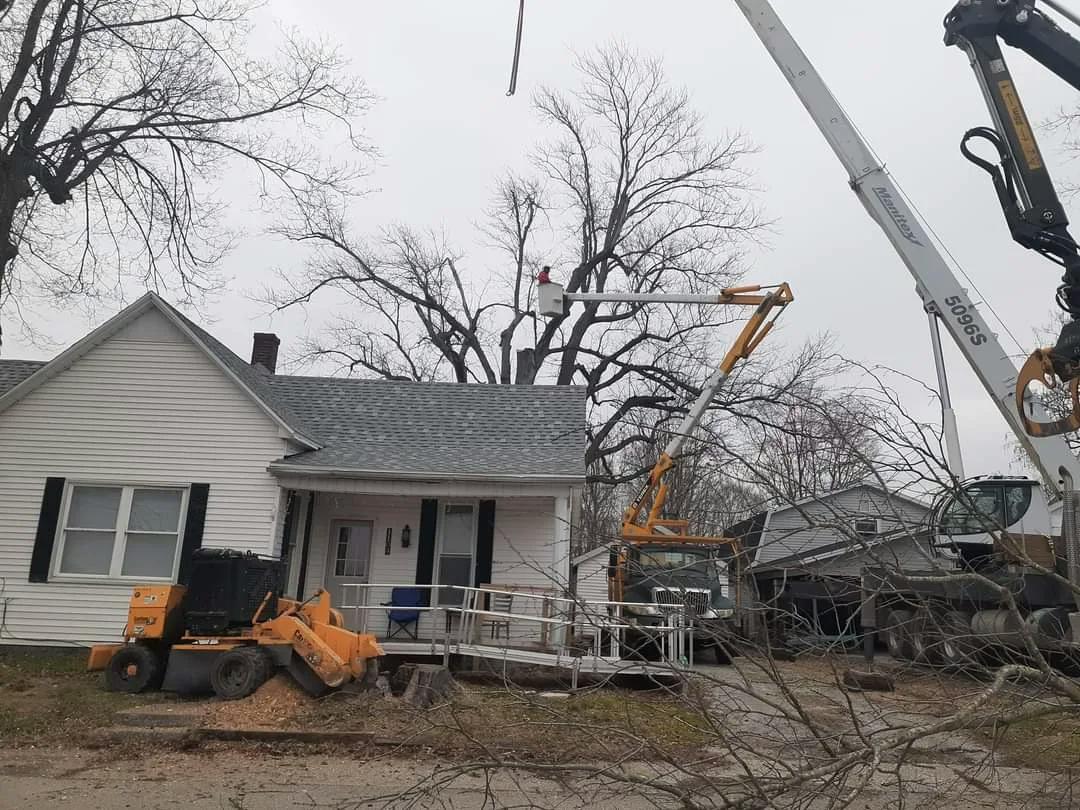
Large trees often require crane assistance, especially when sitting on homes. Whitledge Tree Service operates the largest crane in the service area, which allows sections to be lifted off instead of dropped. That matters when your roof is already compromised.
The goal is simple. Remove the tree without causing more damage.
Document Everything for Insurance
Winter storm tree damage often qualifies under homeowner policies, especially when a tree fell on house structures. But the claim process moves smoother when documentation is clear.
Take photos before removal begins if it’s safe to do so. Capture wide shots and close-ups. Record visible damage inside and outside.
Work With a Company That Understands Claims
Not every tree company works closely with insurance providers. Whitledge Tree Service has years of experience coordinating with adjusters. That includes written assessments, documentation, and explaining removal procedures when needed.
This can speed up approvals and reduce confusion about coverage.
What Happens After the Tree Is Removed?
After removing the tree from the roof, more steps usually follow. Cleanup of scattered branches tends to come next. The ground might need bracing where roots broke free. If the base came fully out, dealing with the leftover stump could be necessary.
Winter conditions can complicate this stage too.
Debris Removal and Cleanup
After winter storms, branches lie across yards like fallen bones. Slippery ice coats every path without warning. Tools work best when handled slow, so they do not chip stone edges or tear grass. Chunks of wood pile up near fences where wind leaves them.
Clearing everything carefully cuts risks while giving roof or frame workers room to move without danger.
Stump and Root Considerations
If the tree uprooted, the root ball may have shifted soil around foundations or utility lines. That area needs evaluation. In some cases, stump grinding or full removal is recommended once conditions improve.
Whitledge Tree Service often schedules follow-up work once emergency removal is complete and the property is stabilized.
Why Winter Storm Tree Damage Is Different
A tree on your house after winter storm weather behaves differently than during a summer storm. Snow, ice, and frozen ground all affect how the tree fell and how it must be removed.
Frozen Ground and Root Tension
Frozen soil can hold roots in unusual positions. As temperatures rise, those roots can release tension. That release can shift the tree even after it has settled on the structure.
Ice Melt Changes Weight Distribution
Ice may still be holding parts of the tree in place. Once it melts, weight shifts again. That’s why emergency tree removal in winter requires careful sequencing.
Preventing Further Damage While You Wait
When storms hit the whole region, response times can stretch. That doesn’t mean you’re forgotten. It just means crews are working through serious calls in order.
While you wait, safety is the priority. Avoid damaged rooms. Keep everyone clear of the area. If water is coming in and you can safely cover it, do so carefully. But don’t attempt to brace, cut, or move the tree. It may be holding in ways that aren’t obvious.
Calling early improves response time. Whitledge Tree Service provides 24-hour emergency services throughout southern Indiana and the surrounding tri-state area, especially for trees on structures.
Tree Fell on House? Take Action Quickly
When a tree is sitting on your home after a winter storm, time matters. The longer weight stays in place, the greater the risk of structural failure or water damage. Acting quickly doesn’t mean acting recklessly. It means calling professionals who know how to remove that tree safely.
Whitledge Tree Service has been serving southern Indiana for nearly twenty years. With specialized equipment, including a 120 ft crane, and experience handling winter storm tree damage, the focus stays on protecting your property while removing the hazard.
If a tree fell on house structures during a winter storm, don’t wait for shifting ice or rising temperatures to make it worse. Get experienced help on-site, assess the situation properly, and remove the risk the right way.