


Winter doesn’t only cause problems when a big storm rolls through. A lot of damage happens on normal days. It freezes overnight. Warms up in the afternoon. Then drops again. Trees go through that swing over and over, and it wears on them even if nothing dramatic happens.
Freeze thaw cycles trees go through every winter can lead to cracks, leaning, and root movement. The damage often stays hidden until something gives. At Whitledge Tree Service, we see the effects of freeze thaw tree damage across southern Indiana each year. Knowing what to look for can help you act before winter tree damage turns into an emergency.
What Happens During Freeze-Thaw Cycles
When temperatures swing above and below freezing, trees expand and contract. Moisture inside the wood freezes, then thaws. That may not sound serious, but over time it weakens the structure. The change isn’t always visible from the ground.
Expansion and Internal Pressure
Water inside tree cells expands when it freezes. That expansion creates pressure inside the trunk and branches. When it thaws, the pressure releases. Then it freezes again the next night. That constant movement can cause small fractures in the wood
These fractures may not be noticeable at first. But repeated freeze thaw cycles trees endure throughout winter slowly weaken their strength.
Bark Splitting and Frost Cracks
You might notice a split in the bark that wasn’t there before winter. These frost cracks form when temperatures change quickly. One side expands. The other doesn’t. The stress shows up as a vertical split.
Not every crack means failure. But if it stays open, water can settle inside the trunk. Over time, that weakens the tree from the inside out.
Why Freeze Thaw Tree Damage Often Goes Unnoticed

Winter tree damage isn’t always dramatic. There’s no loud snap. No tree crashing down. Instead, the stress builds slowly. Homeowners often don’t realize something is wrong until spring or the next storm.
Small Cracks Become Bigger Problems
A small split may not seem urgent. But each freeze and thaw widens it slightly. By late winter, what started as a hairline crack can become a serious structural weakness.
This is one reason Whitledge Tree Service recommends winter inspections after major temperature swings.
Root Movement in Frozen Soil
The ground freezes. Then it softens. Then it freezes again. Roots shift during this process. Trees that appear straight one week may begin leaning the next.
That slow movement is common in freeze thaw cycles trees experience here in southern Indiana. It doesn’t always mean immediate removal is needed, but it should be evaluated.
Signs of Winter Tree Damage to Watch For
You don’t need to be an arborist to notice warning signs. Some changes are subtle. Others stand out more clearly once you know what to look for.
New Leaning
If a tree wasn’t leaning before winter and now it is, pay attention. Especially if the lean points toward a home, driveway, or power line.
Freeze thaw tree damage often affects roots before the trunk shows obvious problems.
Visible Trunk Cracks
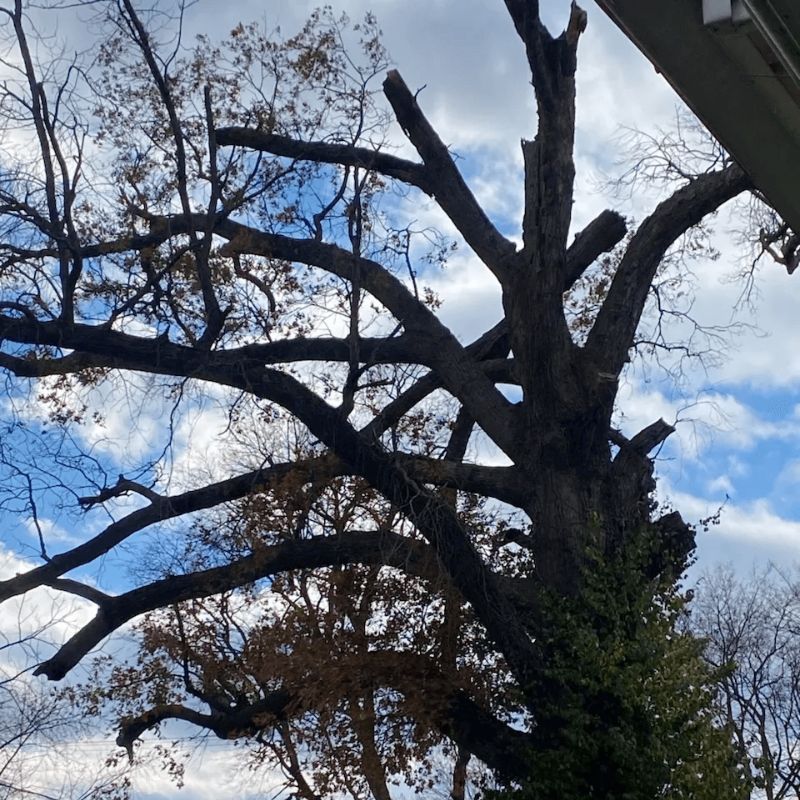
Long vertical cracks aren’t something to ignore. Same with bark that’s separating from the trunk. The canopy might still look fine. That doesn’t mean the tree is as strong as it was.
Falling Limbs on Calm Days
When branches drop without wind, it may be due to internal damage. Freeze thaw cycles trees go through can weaken attachment points between limbs and trunk.
How Freeze-Thaw Damage Leads to Emergency Situations
Most winter tree damage doesn’t cause immediate failure. The danger often appears later. A stressed tree may survive winter only to fail during spring storms.
Delayed Tree Failure
A tree weakened by freeze thaw tree damage may hold together for months. Then the added weight of rain or wind causes it to give way.
Emergency tree removal calls often trace back to winter stress that went unnoticed.
Increased Risk Near Structures
Trees near homes are more concerning. Even a slight lean or crack can pose a risk when positioned over a roof or garage.
Whitledge Tree Service frequently responds to storm damage tree removal situations where freeze thaw cycles trees experienced months earlier were part of the cause.
What You Should Do If You Suspect Damage
Not every crack means a tree needs to come down. But ignoring possible winter tree damage isn’t a good strategy either.
Schedule a Professional Assessment
A trained eye can tell the difference between cosmetic damage and structural failure. Crews look at root stability, trunk integrity, and limb attachments.
Whitledge Tree Service has nearly two decades of experience evaluating trees affected by freeze thaw cycles trees endure every winter in this region.
Avoid DIY Cutting
Cutting into a cracked trunk without understanding load points can make things worse. Removing the wrong limb can shift weight unexpectedly.
Professional equipment and controlled techniques prevent added damage.
Why Local Experience Matters With Winter Tree Damage
Not every region experiences freeze thaw cycles trees the same way. Southern Indiana winters bring repeated temperature swings. That pattern creates specific stress points common in local tree species.
Familiarity With Regional Tree Types
Some species handle freeze thaw tree damage better than others. Others split more easily or develop internal decay after frost cracks.
Local experience helps identify which trees are at higher risk.
Understanding Seasonal Patterns
Year after year, certain weather patterns repeat. Crews who’ve worked through multiple winters recognize the signs early. That familiarity improves decision-making before emergency conditions develop.
Whitledge Tree Service focuses on protecting property while evaluating whether preservation or removal is the safer choice.
Freeze-Thaw Cycles Trees Endure Don’t Fix Themselves
Winter tree damage doesn’t usually correct itself. Cracks rarely shrink back into full strength. Leaning trees don’t straighten on their own. Waiting can allow minor issues to grow into larger risks.
Preventative Action Reduces Emergencies
Addressing freeze thaw tree damage early can prevent costly emergency removal later. Sometimes that means pruning. Sometimes it means full removal. Either way, acting before failure protects your home.
Concerned About Freeze-Thaw Tree Damage? Let’s Take a Look
If you’ve noticed new leaning, cracks, or unexplained limb drop this winter, don’t ignore it. Freeze thaw cycles trees endure every year can weaken them in ways that aren’t obvious at first glance. Whitledge Tree Service provides professional evaluations across southern Indiana and the surrounding tri-state area. With the right equipment and nearly twenty years of experience, winter tree damage can be addressed safely and correctly before it turns into an emergency.