



Once the tree is removed, many people feel a sense of calm. The threat has passed. Their outdoor space seems tidier. That is when they see what remains on the ground.
The stump.
There it is, just waiting. So large you cannot look past it. Hard to work around when cutting grass. One day, a choice shows up: grind it down or dig the whole thing out.
One might think they’re identical, but that’s not true. These options differ in key ways. Picking what doesn’t fit your home could lead to higher expenses. It may bring unnecessary hassle too. The outcome might miss the mark entirely.
At Whitledge Tree Service, this comes up a lot after tree removal jobs. The right choice depends on what you want to do with the space and how much disruption you’re okay with.
Why Stumps Are More Than Just an Eyesore
Tree stumps cause more problems than people expect. They trip kids. They wreck mower blades. They attract insects. And in some cases, they keep trying to grow back. On emergency jobs, especially after storm damage or tree removal near a structure, stumps can also block access for repairs or cleanup.
At Whitledge Tree Service, stump work usually comes after tree removal. Sometimes the choice is obvious. Other times, it depends on what you plan to do with the space and what’s under the ground. That’s where understanding the difference matters.
What Is Stump Grinding?
Most people go with stump grinding since it clears the issue quietly, leaving their lawn intact. A machine tears through the base, cutting deep beneath the ground. Depth shifts – sometimes half a foot, sometimes more – shaped by root thickness or future plans nearby. The work finishes out of sight, hidden under soil where grass can return without fuss.
After removal, only wood chips remain. These might get removed by truck – alternatively, scattered across soil where needed. Roots aren’t extracted during the process; instead, they stop growing entirely. Left below ground, decomposition happens slowly without help.
Why homeowners choose stump grinding
Stump grinding makes sense in most residential situations.
It’s faster.
It’s less disruptive to your yard.
It costs less than full removal.
If you’re planning to reseed grass, level the area, or simply want the stump gone so you can mow again, grinding does the job.
For properties around Princeton, Vincennes, and Evansville, this is usually the recommended solution after standard tree removal.
What stump grinding doesn’t do
Grinding does not remove the entire root system. That’s usually fine. Roots break down naturally over time. But if you plan to pour concrete, install a foundation, or dig deeply in that exact spot, grinding alone may not be enough.
What Is Full Stump Removal?
Stump removal is exactly what it sounds like. The stump and the main root ball are pulled out of the ground entirely. This takes more equipment, more time, and more space to work. In many cases, it also means disturbing a larger section of the yard.
When stump removal is the better option
There are situations where full removal is the right call.
If you’re planning new construction
If utilities or drainage lines need access
If the stump is causing foundation or pavement issues
Of the roots are damaging underground structures
On commercial properties or development sites, stump removal is sometimes required. On residential properties, it’s less common, but it does happen.
Whitledge Tree Service handles these jobs using specialized equipment, and when necessary, crane support to avoid unnecessary damage to surrounding areas.
The tradeoff
Full removal costs more.
It creates a larger hole that must be filled and compacted.
It takes longer to complete and restore the area.
For many homeowners, that tradeoff isn’t worth it unless there’s a clear reason.
Stump Grinding vs. Stump Removal: Side-by-Side Reality
Here’s the honest comparison we give customers during estimates.
Stump grinding is practical.
Stump removal is situational.
Grinding works well when the goal is appearance and usability. Removal is about access and future construction.
One isn’t better across the board. The best option depends on what’s happening next on your property.
What About Roots, Regrowth, and Pests?
This question comes up a lot.
With stump grinding, the remaining roots do not continue growing. The tree is already dead. Some species may send up small shoots near the stump area, but that’s uncommon and easily handled.
As for pests, grinding actually helps. Insects are far less attracted to shredded wood below ground than to a solid stump sitting above the surface.
Complete removal eliminates everything, but again, that level of disruption usually isn’t necessary for normal residential yards.
Cost Differences Homeowners Should Expect
Prices vary depending on stump size, location, access, and whether the stump came from recent tree removal.
In general:
Stump grinding costs less
Stump removal costs more
Grinding pricing is often based on stump diameter. Removal pricing factors in excavation, equipment time, and restoration.
When Whitledge Tree Service provides a free estimate, we walk through these details clearly. No surprises. No padded pricing. Especially on jobs connected to insurance claims, clarity matters.
How This Ties Into Tree Removal Jobs
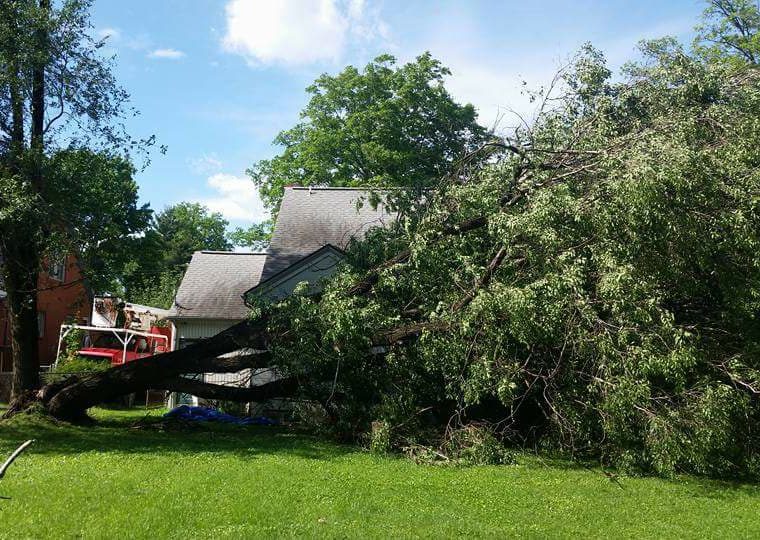
Many stumps come from emergency tree removal after storms.
Trees fall on homes. Large limbs snap. Roots shift. Once the tree is safely removed, the stump becomes the last step in restoring the property.
Because Whitledge Tree Service specializes in complex removals, including trees on structures and difficult-access jobs, stump grinding is often scheduled after emergency work is complete.
In some cases, insurance coverage includes stump work. In others, it doesn’t. That’s where experience with insurance coordination helps homeowners avoid confusion.
We work directly with insurance companies when needed, explaining the scope of work and documenting what was required to prevent further damage.
When You Should Ask a Professional Before Deciding
If you’re unsure which option makes sense, that’s normal.
You should talk to a professional if:
- The stump is near a foundation
- The tree was extremely large
- You plan to build or pave over the area
- The stump is in a tight or hard-to-access location
With the equipment Whitledge Tree Service operates, including specialized machinery and large-scale lifting capabilities, we’re often called in for jobs other companies won’t touch. That includes stump situations that look simple on the surface but aren’t.
Which Option Makes Sense After Tree Removal?
Once the tree is gone, the next step should match what the homeowner actually wants from the space. This is where most decisions are made.
When Stump Grinding Is the Better Fit
Grinding makes sense when the goal is to clean things up and move on. It’s common after storm damage, especially when emergency tree removal is involved. Homeowners want the hazard gone and the yard usable again without weeks of disruption.
Whitledge Tree Service often recommends stump grinding after standard tree removal jobs. It solves the problem without turning a simple project into a major excavation.
When Full Stump Removal Is Worth It
Full removal becomes important when the area is being repurposed. Driveways, additions, sheds, or new structures all require clear ground. Grinding won’t go deep enough for that kind of work.
In some cases, large root systems can interfere with drainage or future plans. When that’s the case, removing everything upfront avoids bigger headaches later.
Get a Clear Answer, Not a Guess!
No two yards are the same. Soil, tree size, location, future plans. It all factors in.
If a stump is causing trouble after tree removal, Whitledge Tree Service can take a look and explain what makes sense for the space. We’ve worked in southern Indiana and the surrounding tri-state area for almost two decades, so we know what tends to work and what doesn’t. We’re local. We’re equipped. And when the job is tied to storm damage or insurance claims, we handle that side too.
Whether it’s stump grinding, stump removal, or full tree removal after an emergency, the goal is the same. Do the job right. Protect the property. Leave things better than we found them.