

Summer can make trees look healthier than they really are. The canopy fills out. Leaves turn thick and green. From the road, everything can look fine. Then a large limb shows up in the driveway after a calm afternoon.
That is how many summer tree problems start. The damage often builds long before anyone notices it. Whitledge Tree Service sees this across Evansville every year. A tree service in Evansville can help spot weak trees before summer storms turn them into bigger problems.
What Starts Showing Up Once Summer Arrives
Summer puts a different kind of pressure on trees. Heat, heavy rain, full leaf weight, and strong storms all play a part. A tree that looked steady in April can look very different by June. The change often starts small, so homeowners miss it at first.
Heavy Leaf Growth Adds Weight
By early summer, trees carry much more weight than they did in winter. Full branches catch wind like a sail. Weak spots feel that pressure first.
A limb with an old crack can hold for months. Then leaves fill out and rain soaks the canopy. That same limb can drop with little warning.
Old Storm Damage Starts to Show
Spring storms can leave damage behind. Some limbs crack but stay attached. Some branches split at the joint and still look normal from the ground.
Summer weather exposes those weak points. A quick storm can finish what an earlier storm started. That is one reason summer tree damage catches people off guard.
Heat Can Stress Weak Trees
Long hot stretches are hard on trees. Trees with root trouble feel it first. The canopy can thin out. Leaves can brown early. Dead branches can show up fast.
Heat alone does not always mean a tree needs removal. It does mean the tree deserves a closer look.
Tree Problems Evansville Homeowners Notice in Summer
A lot of homeowners call after something changes. A branch drops. A tree leans more than it did last month. Leaves turn brown on one side. Small changes like that can point to deeper damage.
Large Limbs Falling Without Much Wind
Large limbs do not always fall during a storm. Sometimes they fall on quiet days. That usually means the limb was already weak.
Dead wood, decay, and old cracks can all cause sudden failure. A limb over a driveway, roof, or fence needs attention. Waiting for the next storm can turn a branch problem into property damage.
Trees Leaning After Heavy Rain
Evansville summers bring heavy rain. Wet soil loses strength. Roots lose some grip. A tree can begin to lean after several rainy days.
A new lean is different from a tree that grew at an angle for years. New movement means something changed underground. Trees near homes, garages, and power lines need a careful inspection.
Brown or Bare Spots in the Canopy
A tree can look green on one side and weak on the other. That uneven growth matters. It can point to root damage, decay, disease, or stress from heat.
Dead sections in the canopy are not just ugly. They can break loose during wind or rain. A tree service in Evansville can tell whether the tree needs pruning, monitoring, or removal.
Why Summer Tree Damage Gets Risky Fast
Summer tree damage often sits hidden for a while. Then weather changes quickly. One storm can add wind, rain, and weight all at once. A weak tree does not need much more stress to fail.
Full Canopies Catch More Wind
A full canopy catches more wind than bare winter branches. That wind pushes against every weak spot. Cracked limbs, split trunks, and loose roots all take the load.
Healthy trees can handle normal summer weather. Damaged trees struggle. That is where many emergency calls begin.
Wet Ground Weakens Root Support
Roots hold trees in place, but they depend on firm soil. Heavy rain softens the ground. Water can collect around the base. Roots can shift under pressure.
This is common after several storms in a short time. A tree that starts leaning after wet weather should not be ignored.
Hidden Decay Can Stay Covered
Decay does not always show from the outside. A tree can have green leaves and still be weak inside. Cavities, soft spots, and old wounds can reduce strength.
Large trees with internal decay are a real concern near structures. Tree removal Evansville homeowners need often starts with hidden damage that finally becomes visible.
Trees Near Homes Need a Closer Look
Location changes the risk. A weak tree in an open field is one problem. A weak tree over a roof is another. The condition of the tree matters, and so does what sits under it.
Limbs Over Roofs and Garages
Branches over homes need regular attention. Summer storms can break them loose. Even one large limb can damage shingles, gutters, siding, or a vehicle.
A branch does not need to be dead to cause damage. Weight, wind, and poor structure can be enough.
Trees Close to Driveways
Driveways get daily use. Cars, delivery trucks, kids, pets, and foot traffic move through that space. A tree with weak limbs near a driveway creates a direct hazard.
Falling branches can block access, damage vehicles, or create cleanup problems after a storm. That risk grows during summer.
Trees Near Power Lines
Trees near power lines require extra care. A damaged limb can bring down lines or create a dangerous situation. Homeowners should not cut near utilities.
Whitledge Tree Service handles difficult tree situations with the right equipment and safety planning. Power line concerns need trained crews and careful coordination.
Signs a Tree Needs Professional Attention
Not every tree problem means removal. Some trees only need pruning. Some need monitoring. Others are no longer safe to keep standing. A trained crew can sort that out.
New Cracks in the Trunk
A long crack in the trunk is worth a closer look. The same goes for bark pulling away from the wood. The tree can still look alive and be weak inside.
Cracks often get worse over time. Summer storms add pressure to already damaged wood.
Dead Branches High in the Tree
Dead branches high in the canopy are hard to judge from the ground. They can look smaller than they really are. Once they fall, the weight becomes clear.
Deadwood over a home, fence, sidewalk, or driveway should be handled by a professional crew.
Mushrooms or Soft Wood Near the Base
Mushrooms near the base can point to decay. Soft wood, hollow spots, and loose bark can point to the same concern. These signs often show up after moisture sits around the tree.
Root and trunk decay affect stability. That type of damage deserves quick attention.
Tree Removal Evansville Homeowners Should Not Put Off
Some trees reach a point where removal is the safest choice. It is not always the first answer. Still, there are times where leaving the tree up creates too much risk.
Severe Leaning Toward a Structure
A leaning tree aimed at a house, garage, or driveway needs careful review. The risk grows after heavy rain. It grows more during summer storms.
A professional crew can determine whether the tree has stable roots. Removal becomes the safer choice once root support is lost.
Large Dead Sections
A few dead limbs can often be removed. Large dead sections tell a different story. They can mean the tree is declining from the inside.
Large dead sections can fail during storms. They can also break apart during removal, so proper equipment matters.
Major Damage After a Storm
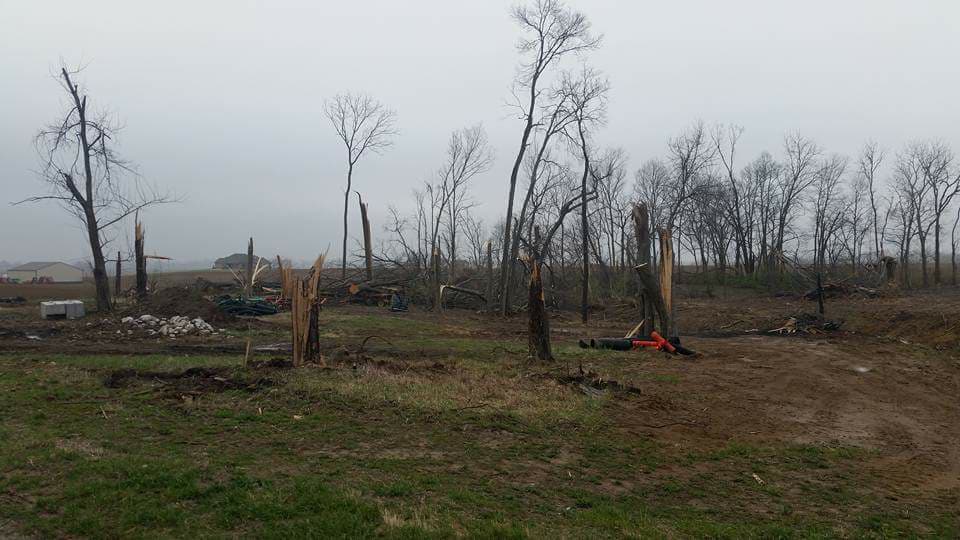
Storm-damaged trees can be unstable. A split trunk, broken top, or hanging limb can shift fast. That is not a ladder and chainsaw job.
Whitledge Tree Service handles storm-related tree removal Evansville property owners need after severe weather. The goal is control. The crew protects the property and removes the hazard safely.
How Whitledge Tree Service Handles Summer Tree Problems
Tree work carries real risk. Experience matters. Equipment matters too. That is especially true with large trees, tight spaces, and storm damage.
Clear Property Evaluation
The crew looks at the whole situation. The tree. The slope. The nearby structures. The access points. The plan has to match the property.
A rushed look can miss key details. A clear evaluation helps prevent damage during the job.
Crane Support for Difficult Trees
Some removals need more than basic gear. Whitledge Tree Service operates a 120 ft crane, the largest crane in the service area. That helps with large trees, tight access, and trees near structures.
Crane work allows controlled lifting. Sections can be moved away from the home instead of dropped into a small space.
Emergency Response After Storms
Summer storms do not wait for normal hours. Trees fall at night. Limbs land on roofs. Driveways get blocked.
Whitledge Tree Service provides 24 hour emergency service for urgent tree problems. The company also works with property insurance companies on storm-related claims.
A Small Tree Problem Can Turn Fast in Summer
Summer tree problems do not always look serious at first. A small crack. A low limb. A tree that leans a little more than it did last year. Those signs are easy to put off.
Then rain softens the soil. Wind picks up. A weak limb drops. A tree service in Evansville can help you deal with the risk before it turns into an emergency.
Whitledge Tree Service has served southern Indiana for almost 20 years. The team handles routine tree work, difficult removals, crane jobs, and storm response with steady planning and the right equipment.
Need Tree Service in Evansville This Summer?
A tree problem is easier to handle before it damages a roof, blocks a driveway, or falls during a storm. Summer is the right time to look closely at leaning trees, dead branches, cracked trunks, and limbs over structures.
Whitledge Tree Service provides tree service in Evansville with clear estimates, licensed and insured crews, and equipment built for difficult removals. Get a professional look at the tree now, and make the safest call for your property.