


When a large branch snaps off a tree on a calm summer day, it can feel completely random and dangerous. Tree branches falling without warning is a frightening occurrence for homeowners, and the uncertainty that follows can leave people wondering what signs they missed and how to protect their property.
The timing often makes the event worse. Summer brings full leaf canopy and routine outdoor activity, so a sudden collapse can threaten cars, structures, pets, and people. Many property owners assume that leaves and green foliage mean a tree is healthy, but that visible canopy can hide internal decay, insect damage, or structural issues that cause unexpected failure.
The good news is that most causes of summer branch failure are identifiable with careful inspection and proper risk management. This article explains the common reasons branches fall in summer, how to detect hidden hazards, and what options exist for reducing risk through maintenance, professional assessment, and emergency response planning.
Internal Decay Can Cause Large Branches to Fall in Summer
Internal rot weakens a limb from the inside while the outside looks healthy, and heavy summer foliage increases weight and stress. Trees tolerate some decay, but when the internal structure loses strength, a branch can separate suddenly under its own weight or after a brief gust.
Decay often starts at wounds, old pruning cuts, or clefts where water and fungi enter. Homeowners may not see discoloration or cavities until a failure occurs, and some decay fungi spread without obvious external fruiting bodies. Regular visual checks at different times of year increase the chance of spotting discoloration, oozing, abnormal bark, or fungal conks that suggest internal problems.
Weak Branch Attachments Can Lead to Sudden Summer Tree Damage
When one side of a tree carries more weight, or when a limb has a weak attachment, the load can exceed the branch’s holding capacity in summer. Heavy leaf loads, storms, or even the growth of a secondary trunk can shift stress to a compromised joint and cause sudden failure.
Included bark and poor branch angles are common culprits in attachment failure, especially on fast-growing species. These conditions reduce the wood-to-wood connection, and when combined with the weight of lush summer foliage, a previously stable branch can separate without obvious warning signs visible from the ground.
Dead Branches Hidden in the Canopy Can Become Falling Hazards
Even in summer, dead branches can stay in the canopy, hidden among live leaves and smaller twigs, and they pose a persistent falling hazard. A dead branch has lost structural integrity and can detach under its own weight or when subjected to a gust, vibration, or minor impact.
Dead wood often results from root problems, storm damage, pests, or previous pruning injuries. Identifying dead branches requires looking for dry, brittle wood, a lack of new growth, and contrasting color or texture from neighboring live wood. In many cases, visible dead branches can be targets for preventive tree limb removal to reduce risk before failure happens.
Summer Weather Can Put Extra Stress on Large Tree Limbs
Summer weather can deliver sudden microbursts, thunderstorm outflows, or heavy wet foliage after intense rain, which all increase the load on branches. A limb that tolerates slow, steady loads may fail under rapid, fluctuating forces during an unexpected wind event.
Heat stress and drought conditions create another scenario where summer tree damage increases. Drought weakens tree tissues and reduces root stability, making branches more susceptible to failure. Fast-moving storms can also put sudden lateral force on a full canopy, snapping limbs that were already marginally supported.
Regular Pruning Can Reduce Unexpected Branch Failures
Pruning that removes hazardous branches and corrects structural defects reduces the likelihood of sudden failure. It also helps distribute weight more safely across a tree’s canopy. Structural pruning performed by skilled professionals targets weak attachments, competing leaders, and excessive end weight that can contribute to collapse.
Pruning schedules vary by species, age, and site conditions, and a tree that receives no maintenance is more likely to develop hazardous limbs. Professional tree trimming can identify and address these problems before a heavy summer canopy places additional stress on weak areas.
Regular Tree Inspections Can Identify Risks Early
The most effective way to prevent sudden summer branch failures is systematic inspection. Look for wounds, cracked bark, fungal growth, cavities, loose bark, and seams along branch unions. Watch for changes after storms and check for leaning trunks or sudden crown dieback that might indicate root or structural problems.
For complex properties and larger trees, a professional assessment provides a more accurate evaluation of hazard and stability. Proper tree risk management and professional assessments by qualified arborists help homeowners identify potential hazards before severe seasonal storms occur.
What to Do When a Dangerous Tree Limb Is Identified
If a branch shows clear signs of failure, controlled tree limb removal may be the safest option. Removing the unstable limb eliminates the immediate threat and reduces the risk of future summer tree damage. In cases where a dangerous tree poses a threat to structures or people, full removal may be the more appropriate solution.
Decisions should reflect the tree’s value, species characteristics, condition, and specific hazard. For sudden collapses or when a branch is already on a structure, specialized equipment and trained crews are often needed to safely stabilize and remove debris. In urgent situations, professional crews can limit additional damage and restore safety.
Emergency Tree Service Can Help After a Sudden Branch Failure
When branch failure causes property damage or presents an immediate risk, rapid response matters. Emergency tree work prioritizes hazards, stabilizes damaged trees, and removes debris so the property can be made safe.
Property owners should keep people and pets away from hanging branches, unstable trees, and fallen limbs near utility lines. Professionals are trained to handle unsafe trees without creating additional risk.
For homeowners facing sudden structural damage or an active hazard, emergency tree services provide specialized rigging, equipment, and trained crews to safely handle complex situations.
Professional Tree Care Helps Reduce Summer Branch Risks
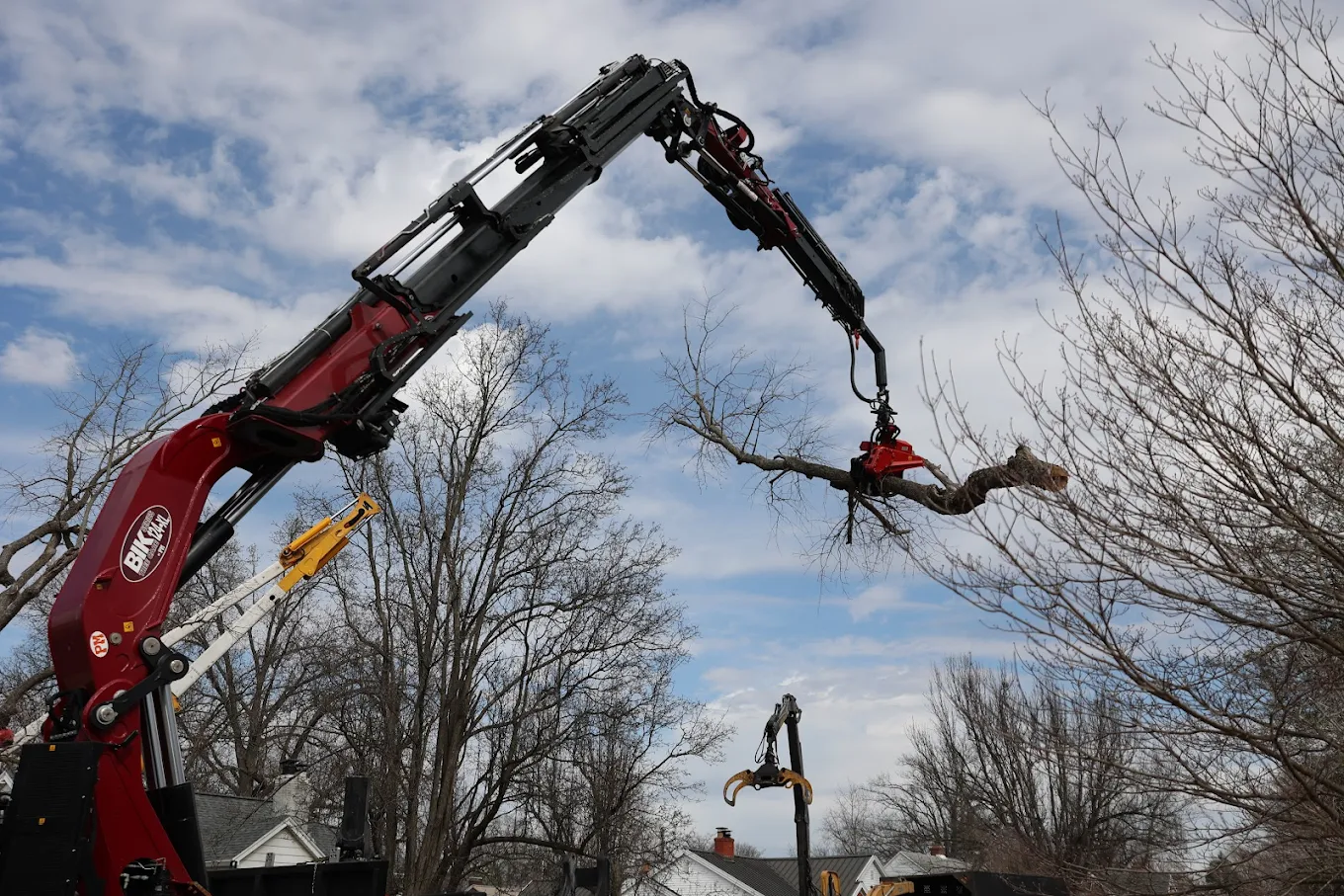
Certified arborists and crews with training in aerial rescue, rigging, and crane-assisted removal are better equipped to manage large, precarious limbs. Local knowledge matters too, because regional species, soil conditions, and weather patterns influence how trees behave in summer.
A professional who understands the local environment can identify species that are prone to certain defects and inspect common areas of weakness. Whitledge Tree Service brings local experience to these assessments and can help property owners determine whether pruning, monitoring, or removal is appropriate.
If immediate danger exists, stay clear of the affected area and contact qualified emergency responders or trained tree professionals before attempting any work.
Frequently Asked Questions
Why Did a Large Branch Fall From My Oak Tree in Princeton, IN?
Whitledge Tree Service often sees branches on oaks fall because of hidden decay, included bark, or root issues that reduce support. In Princeton, IN, local soil and drainage can influence root health and create conditions where branches detach.
A professional can inspect the wound patterns, branch attachment, and previous pruning to determine likely causes and recommend appropriate next steps.
Can Summer Storms Cause Branches to Fall Even if the Tree Looked Healthy in Princeton, IN?
Yes. Sudden gusts and summer storms can overload limbs that are marginally attached or carrying heavy foliage. Even seemingly healthy trees can fail when sudden forces place additional stress on a weak branch.
Whitledge Tree Service can inspect trees in Princeton, IN for structural vulnerabilities that may not be obvious from the ground. Identifying these problems early can reduce the risk of surprise failure during summer storms.
What Signs Indicate a Branch Is Dead or Dying Before It Falls in Princeton, IN?
Signs of dead branches include brittle twigs, lack of leaf production, discolored or loose bark, and visible cavities. Some dead limbs remain hidden by surrounding foliage, so careful observation can help reveal the problem.
Whitledge Tree Service looks for these warning signs during tree assessments in Princeton, IN. When hazardous deadwood is identified, timely removal can reduce the chance of sudden failure and property damage.
If a Large Limb Falls on My Roof in Princeton, IN, What Should I Do First?
If a branch falls on your roof, make sure everyone stays away from the affected area and document the damage when it is safe to do so. Avoid trying to move a large or unstable limb yourself.
Whitledge Tree Service can evaluate fallen or damaged limbs in Princeton, IN, remove hazardous debris, and determine whether the remaining tree needs additional pruning, stabilization, or removal.
Understanding Why Large Tree Branches Fall in Summer
Large branches rarely fail for no reason. Internal decay, weak attachments, deadwood, summer weather, and existing structural problems can all contribute to sudden branch failure. Regular inspection and professional maintenance can help Princeton, IN homeowners identify these risks before a limb falls unexpectedly.
Get Professional Help With Hazardous Tree Branches in Princeton, IN
Whitledge Tree Service is a licensed and insured tree care company serving Princeton, IN and surrounding communities. If you are concerned about a large branch, recent tree damage, or another potential hazard, contact Whitledge Tree Service for a professional evaluation. The crew can assess the condition, explain the available options, and coordinate appropriate pruning, removal, or emergency tree work.