


Winter storms don’t always leave clear signs. Ice weighs trees down differently than wind. A yard can look normal and still have trouble brewing. Cold weather covers up cracks, splits, and root movement that don’t show until things start to thaw.
This article breaks down when winter storm tree damage becomes more than a cleanup issue. You’ll learn which signs matter, what’s usually safe to leave alone for now, and when calling an emergency tree service is the smarter move. At Whitledge Tree Service, we walk property owners through this every winter across southern Indiana and the surrounding tri-state area.
How Winter Storms Commonly Damage Trees
Winter storms stress trees differently than other weather events. Ice, snow, and freezing ground all play a role, and the damage doesn’t always happen at once. Some problems show up during the storm. Others appear days later once temperatures change. These are the situations we see most often after winter weather.
Broken or Hanging Limbs
Ice adds weight fast. Large limbs can crack or snap, leaving them hanging in the canopy. They may look stable, but gravity usually wins once temperatures rise or wind picks up again. Hanging limbs are one of the most common reasons homeowners call for emergency help after a winter storm.
Split Trunks and Ice Cracks
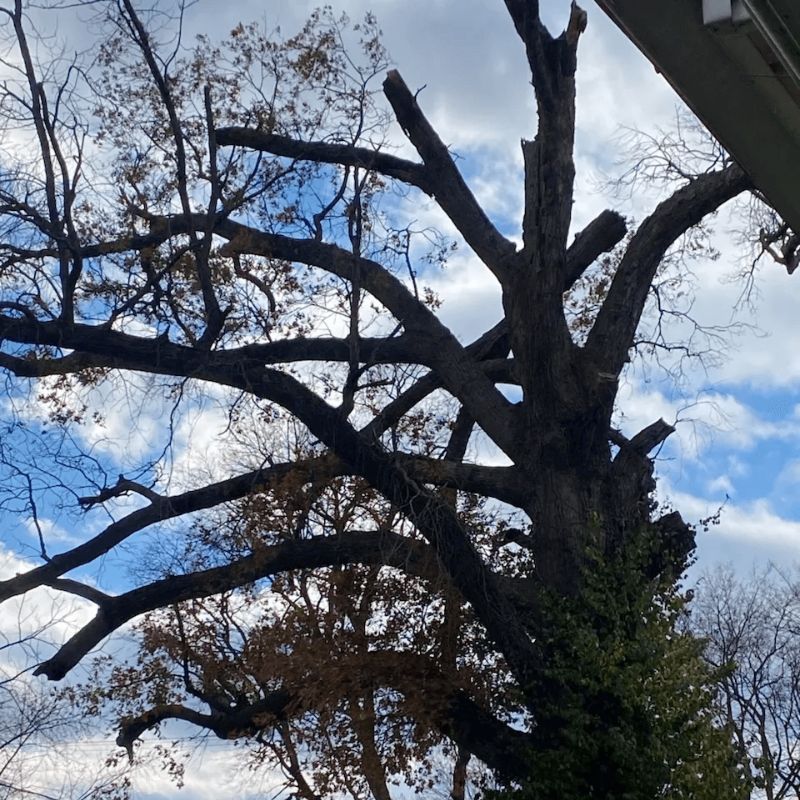
Cold weather can cause trunks to crack, especially when ice pulls unevenly. Some splits start small. You don’t always see them right away. But they weaken the tree over time. Damage like this isn’t always repairable and shouldn’t be ignored.
Leaning or Shifted Trees
Frozen ground limits how well roots hold. When soil thaws unevenly, trees can begin to lean even after the storm has passed. A tree that wasn’t leaning before winter weather is often unstable, especially near homes or driveways.
Signs Winter Storm Tree Damage Is Unsafe
Not all winter damage causes immediate failure. Some trees hold together for days or weeks before something finally gives. By the time warning signs become obvious, the risk is often higher than it looks.
Trees Leaning Toward Homes or Buildings
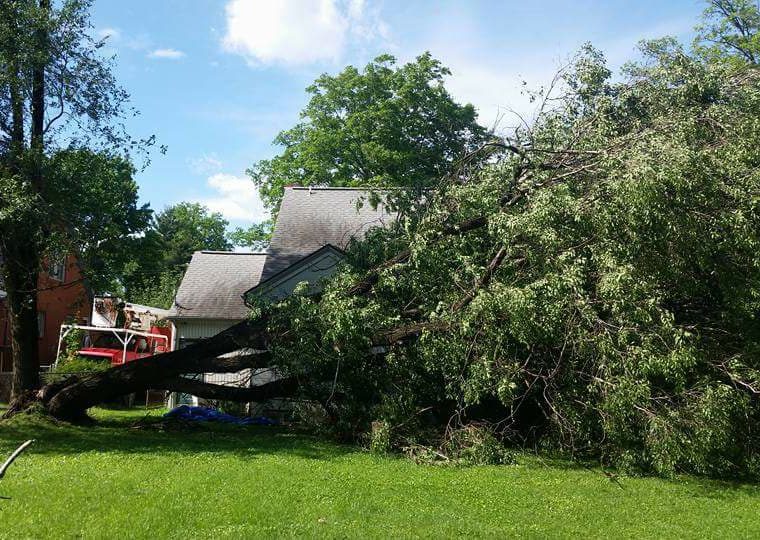
A tree that suddenly leans toward a structure is under stress. Ice weight and root movement change how that tree is balanced. This is one of those situations where calling emergency tree service sooner helps prevent bigger damage later.
Exposed Roots or Heaving Soil
If roots are visible or the ground looks pushed up around the base, the tree has lost stability. Frozen soil can hide this at first. Once it shifts, the tree may not recover. A professional assessment helps determine if removal is necessary.
Falling Limbs After the Storm Ends
Limbs falling days later are a warning sign. Internal pressure from ice damage doesn’t always release right away. Trees can keep adjusting after the storm is over, which is when delayed failures happen.
Why Emergency Tree Service Matters After Winter Storms
Storm damage doesn’t always improve on its own. In many cases, waiting increases the risk, especially when trees are already stressed.
Preventing Secondary Damage
A damaged tree doesn’t need another storm to fail. It can come down during calm weather once ice melts or temperatures shift. Early action helps prevent additional damage to homes and property.
Quick Hazard Assessment
Emergency crews don’t guess. They evaluate how weight is distributed, where stress is building, and what could move next. That insight helps homeowners make decisions without gambling on safety.
Safe Removal in Unstable Conditions
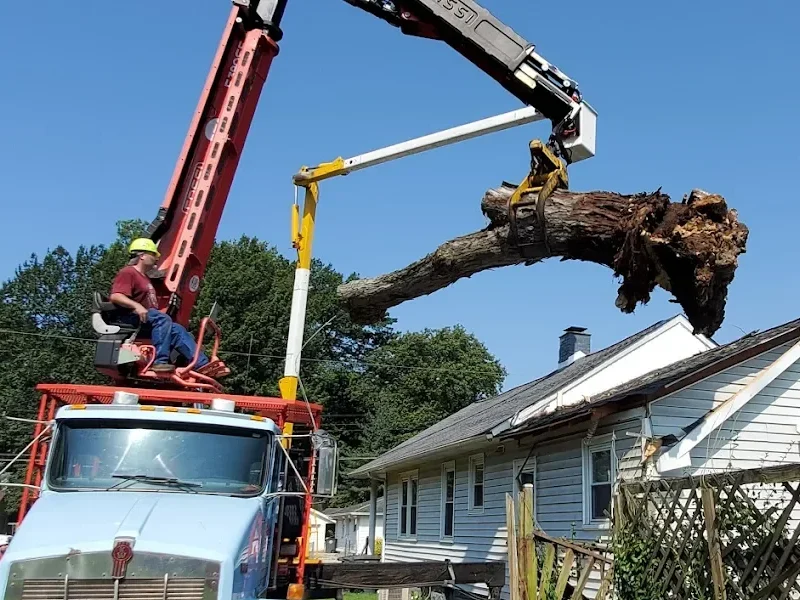
Winter storm tree damage creates unpredictable situations. Trees can shift as ice melts or ground softens. Emergency tree service teams are trained to work through those conditions without making things worse.
What an Emergency Tree Service Looks for After a Winter Storm
Professional inspections go beyond surface damage. The goal is understanding how the tree is holding together and what risks remain.
Structural Stability
Crews check trunk integrity, branch attachments, and root support. Even small changes can signal failure risk. These details guide safe recommendations.
Tree Health and Recovery Potential
Risk to Surroundings
Nearby homes, vehicles, and foot traffic all matter. Emergency decisions consider how a tree’s failure would affect everything around it, not just the tree itself.
Why Local Winter Storm Experience Matters
Storm patterns and tree behavior vary by region. Local experience helps crews recognize problems faster.
Familiarity With Regional Trees
Certain tree species in southern Indiana and the tri-state area handle ice better than others. Local crews recognize which trees are more likely to fail after winter storms.
Experience With Local Winter Conditions
Seeing the same freeze-thaw cycles year after year builds real-world knowledge. At Whitledge Tree Service, that experience guides how winter storm damage is handled and prioritized.
Community-Focused Response
Local companies understand how winter storms disrupt daily life. Emergency response isn’t just about removing trees. It’s about helping neighbors regain safety and access as quickly as possible.
Winter Storm Tree Damage Shouldn’t Be Ignored!
After a winter storm, it’s easy to assume the worst has passed. Sometimes it has. Other times, damage lingers without being obvious. Trees can hold on longer than expected, then fail later. If something doesn’t look right, getting a second set of eyes on it can make all the difference.
When you’re unsure what you’re seeing, having an experienced team take a look can remove a lot of stress. Whitledge Tree Service provides dependable emergency tree service across southern Indiana and the surrounding tri-state area when safety is on the line.
If winter weather has damaged a tree on your property, don’t wait for the next temperature swing to make it worse. Getting storm damage tree removal handled early can protect your home and give you peace of mind. Contact us today for a FREE estimate and get straightforward guidance from people who do this every day.